
Welcome to the ultimate guide on navigating the world of remote work in 2026! As technology advances and work cultures evolve, understanding the landscape of remote opportunities is essential for both job seekers and companies looking to thrive. This complete guide will provide you with everything you need to know about securing the best remote jobs and excelling in this dynamic work environment.
Understanding Remote Work in 2026
What is Remote Work?
Working remotely or remote work, also known as work at home, is a mode of employment in which remote workers are employed to execute their tasks at a different location than the normal office. This type of work model gives flexibility where the remote employees can work in their home office or anywhere they access the internet to accomplish their work.
The remote position of the year 2026 keeps redefining the manner in which businesses are conducted and the manner in which remote workers investigate their professions, presenting a wide variety of distance employment opportunities.
Evolution of Remote Work
The history of remote work has been crucial, as it has changed into a niche idea and become a mainstream working arrangement. The evolution has been contributed by technological advancement and changes in preferences in the society.
Remote work has gained a lot of penetration in the industries in the years to come and by 2026, it could provide ample remote work opportunities. Flexible work policies have enabled companies to better hire remotely as companies are better prepared to attract and keep the best talent in the job marketplace which is very competitive.
Remote Work Statistics and Trends
The existing data about remote work shows that this employment pattern has become a permanent aspect of work. The workforce has developed a strong demand for flexible work arrangements which companies that operate remotely are meeting by increasing their remote job openings.
The demand for remote work positions has grown because people prefer to achieve work-life balance through independent work. The remote work statistics from 2026 will serve as essential information for job seekers who want to secure remote jobs and for employers who need to improve their remote recruitment processes.
Finding Remote Jobs: A Comprehensive Approach
How to Get a Remote Job
Getting a remote job requires a strategic approach. Several key steps can improve your chances of success:
- Optimizing your online presence, highlighting your experience and skills relevant to remote roles.
- Tailoring your resume and cover letter to emphasize your ability to work independently and communicate effectively within a remote team.
- Utilize job boards specifically designed for remote opportunities to find remote positions that align with your expertise.
Networking with remote professionals can also open doors to hidden remote work opportunities.
Job Boards for Remote Opportunities
Job boards serve as vital tools which help you conduct your search for remote employment. The platforms Remote.co and We Work Remotely and FlexJobs provide dedicated services which enable users to search for remote job openings that exist in multiple industries.
The job boards display two types of remote work positions which they show as complete remote work positions and high-paying remote work positions that remain unlisted elsewhere. The platforms enable job seekers to browse through remote positions which match their qualifications for their work search, thus helping them identify the most suitable remote job opportunities that will exist in 2026.
How to Land a Remote Job: Hacks and Hints
Sending job applications is not the only thing when it comes to landing a remote job. In order to be more successful in getting a remote position in 2026, you should present the following attributes:
- Self control, time management and ability to work in a work-at-home environment.
- The fact that you are proactive and can keep connected and productive in a remote team.
- Thorough practice Before the interview, learn how to communicate remotely and show that you can work effectively using remote communication tools.
Types of Remote Jobs in 2026
High-Paying Remote Jobs
The trend of remote jobs with high payments in 2026 is still appealing to job seekers who want to have financial security and work-life balance. Such distant employment is frequently competency-based and highly experienced.
The high-paying remote opportunities are common in the industries of technology, finance, and consulting. With current ambitions to improve their remote vocation, making it be possible to work anywhere by specializing in sought-after skills will result in increased high-paying remote roles and a remote career a reality.
Best Remote Roles Across Industries
The best remote jobs span across various industries, offering diverse opportunities for remote professionals. The service sector provides remote customer service positions whereas the tech industry offers software development roles which can be done from anywhere.
Companies started to provide remote work and hybrid work options because employees wanted flexible work arrangements. The process of finding optimal remote positions requires you to evaluate your skills and research businesses which support remote work to secure satisfying remote work opportunities in 2026.
Fully Remote vs. Hybrid Work Positions
Your remote job search needs you to understand how fully remote work and hybrid work positions operate as distinct employment options. Employees in fully remote jobs can choose their work location between their home office and any other place they want to work.
The two options present different benefits. Your decision between full-time remote work and hybrid work needs to be based on your personal preferences about how much time you want to spend with others. The majority of remote companies provide their teams with both options which enables their staff members to work from home according to their personal needs.
Skills Required for Remote Work
Key Skills for Remote Workers
To thrive in a remote environment, remote workers need a specific set of key skills. Several abilities are particularly important, including:
- Effective communication
- Strong time management and self-discipline, which are essential for staying productive in a work-from-home setting
- Proficiency with remote collaboration tools and technology, vital for seamless teamwork
Adaptability and problem-solving skills help remote employees navigate the challenges of working independently. Cultivating these key skills significantly boosts your success in any remote position or role in 2026.
Creating a Remote Work Skill Set
Developed competitive remote work skill set is a result of a continuous learning and adaptation. Determine which skills are the most important in your desired remote position and invest in training and growth to develop the skills.
Find online courses, workshops and certifications on remote collaboration tools, communication strategies and time management techniques. Connecting to other professionals at a distance may be a good source of insight and coaching. By actively developing your skill set, you will have the greater opportunity of identifying the most suitable remote jobs around and dominate the emerging job market.
Benefits of Remote Work
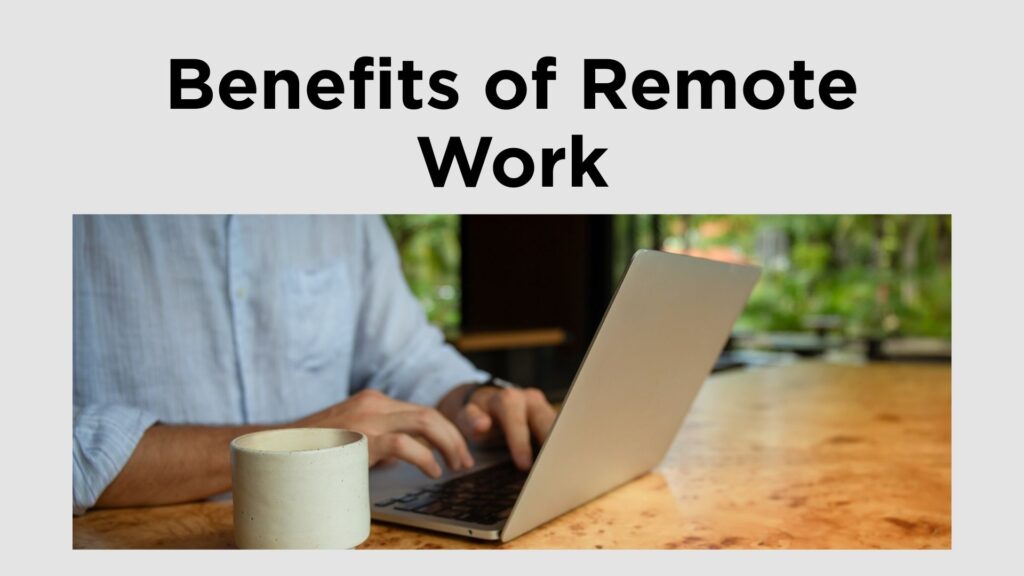
Work-Life Balance and Flexibility
Among the greatest advantages of the remote work is the flexibility and better work-life balance provided by it. Remote workers have a chance to arrange their workday to the individual life more frequently.
Working from home or working anywhere offers more freedom in the daily schedules, and lessens the pressure found in the commute and strict work hours. Such flexibility improves job satisfaction and well being among the ones in a remote position.
Cost Savings for Remote Employees
Remote work in 2026 translates to considerable cost savings for remote employees. The elimination of daily commutes reduces transportation expenses, such as fuel and vehicle maintenance.
Working from home also cuts down on the need for professional attire and eating out, leading to significant savings. These financial benefits make remote positions increasingly attractive for job seekers, as the cost of living can be substantially lowered while maintaining a high-paying remote job.
Increased Productivity and Job Satisfaction
Many studies suggest that remote work results in both higher productivity levels and increased job satisfaction among workers. Remote workers experience better focus and faster work completion because their home environment offers fewer interruptions than standard office settings.
The ability to work remotely together with the resulting independence from work duties allows employees to achieve better control over their work tasks which leads to greater job fulfillment. The workforce advantage for remote companies comes from remote professionals who become more engaged and driven to perform their duties.
Creating an Effective Home Office
Essential Home Office Setup Tips
Setting up an effective home office is crucial for maximizing productivity in a remote position. Ensure you have a dedicated workspace free from distractions, equipped with a comfortable chair, ergonomic keyboard, and high-quality monitor.
Invest in reliable internet access to facilitate seamless communication and collaboration. Proper lighting and organization are also essential for creating a conducive work environment. These setup tips can help remote employees thrive in their work-from-home setting.
Productivity in Your Workplace
Ergonomics or organization are some of the factors to consider to ensure that you maximize your workspace in terms of productivity. Monitors must be at eye level so that you are not straining the neck and good lumbar support should be made sure by your chair.
Make sure that your desk is clean and you do not have clutter. Use storage solutions to store important things in easy access. Working remotely, with a comfortable and organized home office, you will be able to increase your focus and effectiveness.
Keeping Work-Life Boundaries
Working at home requires a healthy work-life balance and to avoid burnout it is necessary to maintain a clear boundary between work and life. Develop a regular routine and follow it as much as possible every day.
Stipulate certain working hours and do not check emails or work after the hours. Take a break between your work and home environments so that you can mentally unconnect at the end day. These options can assist remote workers to have a sound work-life balance that fosters their overall well being and job satisfaction in the long run of their remote work.
Future of Remote Work
Remote Work Trends to Watch
The approaching year of 2026 brings multiple essential remote work trends which will create new work methods for upcoming time periods. The need for work arrangements that offer both complete remote employment and hybrid work options has grown throughout the current period.
Remote companies now use more sophisticated technologies which enable their staff members to work together and communicate across distance without interruptions. Organizations now work to develop remote work setups which enable all workers to participate while maintaining high levels of productivity because all employees need to feel recognized and valued.
Preparing for a Remote Career in the Future
Your future remote career preparation needs you to take active measures which will develop your professional abilities and your capacity to adapt. People should maintain their knowledge of contemporary remote work technologies and developments while dedicating their time to developing essential abilities which include both communication and time management and problem-solving.
Create a professional online presence which will demonstrate your remote work experience and credentials to potential remote employment opportunities. Networking with remote workers will help you understand remote work better while finding mentors who can guide your career path.
FAQs about Remote Work in 2026
What are the best remote jobs available in 2026?
In 2026, the best remote jobs span across diverse industries, with high-paying remote job options often found in technology, finance, and consulting. Roles such as software developers, remote customer service representatives, data analysts, and digital marketers are in high demand.
To find the best remote opportunities, explore job boards specializing in remote positions and tailor your application to showcase your remote work experience and skills to remote companies.
What are the ways to get well paying remote jobs?
The best way to get remote jobs paying high wages is to target the sectors and posts that demand specialized skills and experience. Target distant firms with good salaries and benefits.
Use job boards and online job sites that specifically provide high paying remote jobs. Establish contacts with researchers working in your field remotely to get acquainted with unpublicized remote jobs and understand the salary expectations and career growth prospects in the remote work environment.
Plotting the Worth of Remote Work: Would You Accept a Paycut?
Whether to reduce compensation to work remotely or not, depends on personal priorities. Although it is possible that some of the remote employees are ready to accept a smaller salary with the flexibility and better working-life balance that a remote job provides, other employees might be more concerned with higher pay.
When calculating the total value of a remote position, consider cost savings that will be achieved due to less commuting and less spending on wardrobe. Compare the monetary gains with the immeasurable payoffs of a remote work set-up to make a rational choice.
What is the measuring of performance in remote positions?
The measurement of performance in remote positions is usually a combination of quantitative and qualitative measurements. Productivity, efficiency and attainment of goals are often measured using key performance indicators (KPIs).
The frequent virtual meetings and check-ins allow getting feedback and ensuring progress. Project management instruments and collaboration platforms are also the means of supervising task accomplishments and team input in remote firms. Communication and transparency are fundamental in the guidelines of aligning remote workers to company goals as well as fulfilling their performance expectations.