February is Heart Month, which is an important period of the year taken to sensitize on heart and cardiovascular disease. This day of remembrance is a strong reminder of the necessity to go out of his/her way to prevent heart disease and enhance more general cardiovascular conditions. One of the most effective things to do is to learn cardiopulmonary resuscitation or CPR. This is a simple, but life-saving skill that may save lives in an emergency case.
Knowledge of Heart Month and Its Significance
What is Heart Month?
Heart Month is an American Heart Association program that is observed during the month of February and is aimed at reminding individuals about the importance of heart health. Throughout this month, organizations and individuals join hands to create awareness about the problem of cardiovascular disease which is the number-one killer in the United States. The main aim of the Heart Month is to inform the people about the risk factors, avoiding measures, and the necessity to discover the disease at the earliest stage to introduce healthier ways of life and save the lives by means of proactive actions.
The role of the American Heart Association
AHA is very instrumental in the month of February (which is Heart Month) and all year long. Being one of the biggest organizations engaged in promoting heart health, the American Heart Association leads many campaigns and programs focused on increasing the awareness about the heart disease and stroke. It offers useful resources, educational and training opportunities, such as CPR training and use of AEDs, which is why people can gain control over their heart health and become possible first responders in case of emergency. It is also committed to supporting research that will advance the knowledge and cure of cardiovascular diseases, eventually making the difference in terms of survival of the victims of sudden cardiac arrest.
Why February is American Heart Month
The designation of February as American Heart Month dates back to 1963, when President Lyndon B. Johnson officially declared it as such. This decision recognized the urgent need to address the growing prevalence of cardiovascular disease in the nation. Choosing February provides a focused time to raise awareness about heart health, promote preventative measures, and encourage individuals to learn CPR. February is Heart Month serves as a concentrated period for the American Heart Association and other organizations to amplify their efforts and maximize their impact on public health.
The Impact of Sudden Cardiac Arrest
Statistics on Cardiac Arrest
Sudden cardiac arrest represents a major health threat which creates serious public health consequences. According to the American Heart Association, more than 350000 out-of-hospital cardiac arrests occur annually in the United States. The survival rate for these events is unfortunately low but immediate intervention like CPR can dramatically improve the chance of survival. The statistics demonstrate that people require immediate CPR training and public awareness during Heart Month and throughout the year to achieve successful life-saving outcomes.
Recognizing the Signs of Cardiac Arrest
The detection of cardiac arrest symptoms becomes essential because each moment during this situation holds critical value. The primary indicators include sudden loss of consciousness, absence of normal breathing, and lack of a pulse. The person may display two different types of movements which include gasping and seizure-like behavior. Bystanders who quickly recognize the situation can begin emergency response by contacting emergency services while starting CPR. The February Heart Month campaign aims to educate people about these signs which will help them become first responders who can save lives.
The Significance of not postponing
Existence is critical in cases of sudden cardiac arrest. Brain damage may happen in a few minutes and the person is likely to die. A CPR would keep blood supply to the heart and brain running and it is likely to give the person a great chance of survival until medical assistance is offered. According to the American Heart Association, CPR bystanders have a chance to save the lives of victims. That is why it is possible to save lives because of learning CPR and AED skills during the month of February, which is the American Heart Month.
Knowledge of CPR: A Life-saving Skill
What is CPR?
Cardiopulmonary resuscitation also known as CPR is a life saving measure that is applied in cases where the breathing or heart beat has ceased. It is the process of chest compressions and rescue breathing to force the blood and oxygen to the brain and other vital body organs. CPR assists in the extension of life until advanced care, including AED is received. CPR training is an appropriate skill that prepares people to react well in cases of cardiac emergency. The American Heart Association attempts to increase awareness of the efficacy of CPR during the Heart Month.
The Difference Between Hands-Only CPR and Traditional CPR
Hands-Only CPR requires chest compressions only whereas traditional CPR requires both chest compressions and rescue breaths. The American Heart Association recommends Hands-Only CPR for untrained bystanders assisting adults who suddenly collapse. Medical professionals need to use traditional CPR because it includes rescue breaths for infants and children and people who experience drowning or respiratory arrest. The situation needs to be evaluated along with the rescuer’s training level because both techniques improve survival chances during sudden cardiac arrest.
Steps to Perform Hands-Only CPR
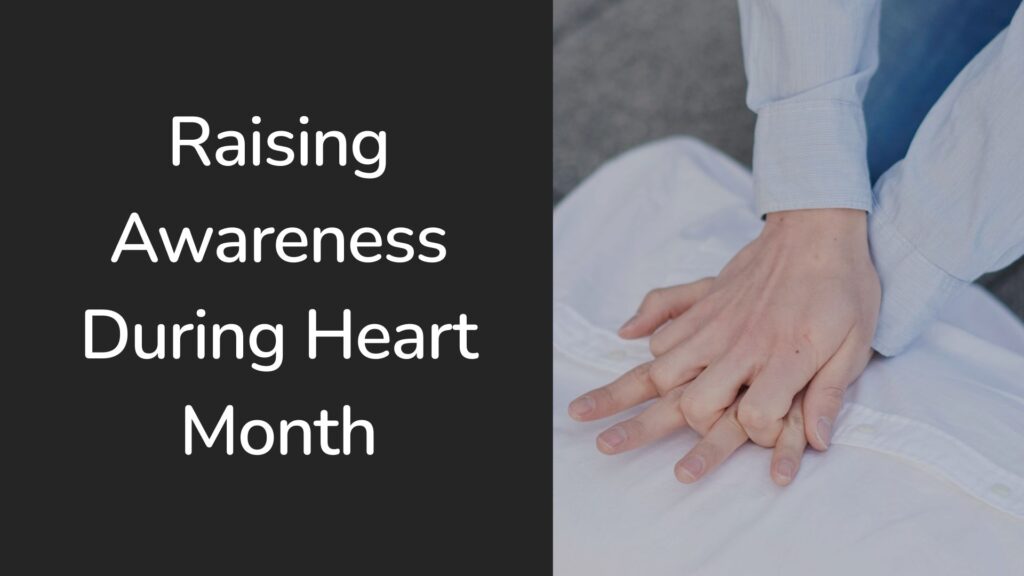
First responders need to establish scene safety before they contact emergency services to begin Hands-Only CPR. The first step requires you to position one hand’s heel at the person’s chest center while you place your second hand on top and interlock your fingers. The chest needs to be compressed through hard and fast pushes which require 100-120 compressions per minute while the chest space must be allowed to expand fully between each compression. Professionals will handle the situation after you continue with chest compressions. February is Heart Month provides an excellent opportunity for people to learn CPR.
CPR Training Opportunities
Where to Learn CPR
If you’re ready to learn CPR, February is Heart Month provides the perfect opportunity. CPR classes are available through various organizations, including the American Heart Association and local community centers. You can also find CPR training at hospitals, fire departments, and some workplaces. Look for certified CPR instructors who can provide hands-on training and guidance, ensuring you feel confident in your ability to perform CPR in an emergency. Remember, the more people trained in CPR, the more lives we can save during the month of February and beyond.
Online vs. In-Person CPR Training
When thinking of CPR training, one of the questions that may arise is whether there exists a difference between online courses and face-to-face courses. Online training of CPR provides comfort and flexibility where you are able to study at your own time. Nevertheless, face-to-face CPR training offers physical training on the use of manikins and personal guidance by a CPR instructor. The American Heart Association is adamant about the need to practice in order to learn proper technique and be confident about how to perform CPR. To achieve the full CPR and AED skills, they should be trained face to face and more so, during the month of February that is Heart Month.
Certification and Its Advantages
CPR certification proves that you have successfully gone through a CPR training course and you are capable of administering the required skills to administer CPR. The certification lasts usually two years, and then you have to re-train in order to be in line with the new guidelines. The certification of CPR does not only give you the element of confidence and preparedness, but it also prepares you to save lives in case of an emergency. CPR certification is valuable in many environments, as many organizations and volunteer groups demand it to work as a health care provider. The American Heart Association invites all people to pursue training in CPR and AED during the Heart Month.
Using an AED in Emergencies
What is an AED?
An AED, or automated external defibrillator, is a portable device that delivers an electrical shock to the heart to restore a normal rhythm during sudden cardiac arrest. AEDs are designed to be user-friendly, providing voice prompts to guide rescuers through the process. They are commonly found in public places such as schools, airports, and shopping malls. Understanding how to use an AED in conjunction with CPR can significantly increase a victim’s chance of survival, especially in cases of out-of-hospital cardiac arrests. The American Heart Association strongly advocates for increased AED availability and CPR training during February is Heart Month.
The Importance of AED Accessibility
The necessity of AEDs needs to be understood because sudden cardiac arrest can occur in any location at any moment. The implementation of AEDs in public areas and workplace settings results in substantial time savings which enables first responders to provide lifesaving shocks more efficiently. The research demonstrates that when defibrillation occurs right after a cardiac arrest together with CPR, which is performed immediately afterward, patients experience a survival rate increase of 70 percent. The American Heart Association supports legislative efforts which would mandate AED installation in additional public areas to help communities improve their capacity to handle cardiac emergencies. The month of February, which celebrates Heart Month, provides an opportunity to improve AED accessibility because it allows more individuals to use these devices during life-saving emergencies.
Raising Awareness During Heart Month
Social Programs and Activities
During the month of February, the Heart Month, there are many activities and events organized by different groups of people aimed at increasing awareness on heart health and the necessity to learn CPR. The American Heart Association leads most of such activities, which include walks, running, and seminars. CPR training and workshops are also conducted in local hospitals, community centers, and schools. Such events are useful in helping people to know how to perform CPR, risk factors of cardiovascular disease, and the initiative taken to change their own hearts. It aims at creating awareness on the issue of heart health and enabling communities to save lives.
How to Get Involved
It is not as difficult to participate in February, which is Heart Month as you might imagine. The first thing you can do is attend CPR classes and local events to know how to administer CPR and use AED. Take into consideration volunteering in the American Heart Association or other heart health organizations. Pass on information and resources relating to cardiovascular disease and CPR onto your friends and family members and build awareness within your community about heart health. At such a simple level of support like red color, of course, to demonstrate that you are a heart-learner; together with donating money to a heart help organization, can also make a difference to save lives, which is why it is essential to raise awareness about February is Heart Month.
Sharing Your CPR Story
Sharing your CPR story creates a strong impact which motivates people to learn CPR and recognize emergency preparedness as a vital requirement. If you have ever used CPR and AED skills to save a life during sudden cardiac arrest then you should share your experience through social media platforms and local events. Your story could encourage others to take a CPR class and become potential first responders. The American Heart Association uses personal stories which it shares during February is American Heart Month to create awareness and motivate people to take action while demonstrating how CPR training saves lives.
FAQs
What is the best way to learn CPR?
The best way to learn CPR is through a certified CPR and AED training course. The American Heart Association and other reputable organizations offer hands-on training sessions led by qualified CPR instructors. In these classes, you’ll learn the proper techniques for chest compressions, rescue breaths (if applicable), and AED usage. Hands-on practice with manikins is crucial for developing the confidence and skills needed to perform CPR effectively during a real-life sudden cardiac arrest emergency. Take a CPR class and save lives today.
Clothed with CPR and Well-Stocked First Aid Kit?
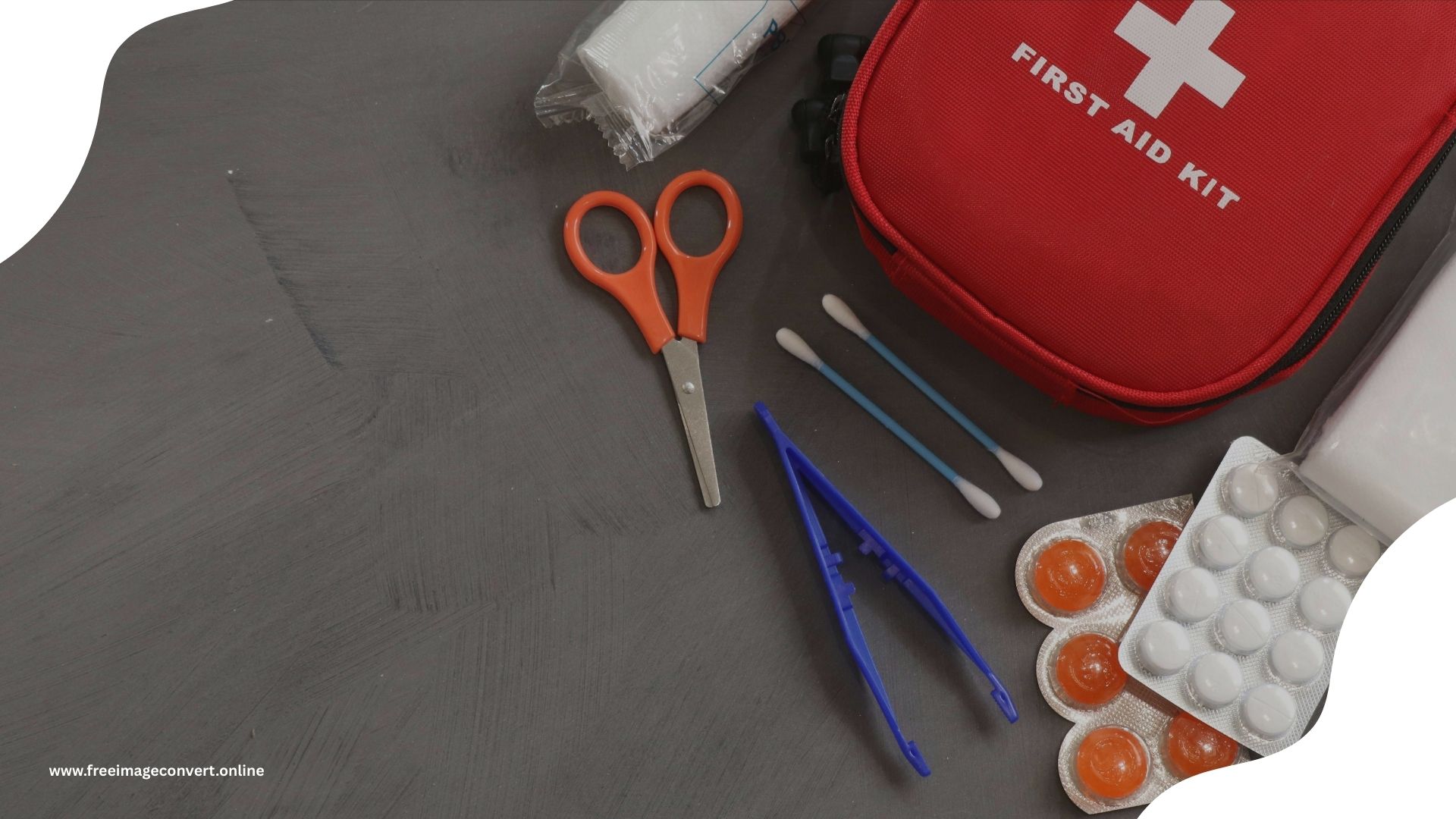
Some first aid kit can also come in handy and CPR training is invaluable in an emergency situation. The essential kit should consist of such items as bandages, antiseptic wipes, gauze pads, adhesive tape, gloves, and a CPR mask. The knowledge of how to utilize these supplies combined with your ability to use CPR and AED can help you to render prompt care until emergency medical support arrives. This is because February is Heart Month is a perfect opportunity to refill your first aid kit and be ready in case of any unexpected health incident.
Heart Month -Are You CPR Trained?- February
Heart Month is a month that is aimed at sensitizing people about heart health and cardiovascular disease prevention. Training in CPR is one of the most effective means of self-protection and the security of the community. CPR and AED skills are able to make you fit to act in an emergency situation of sudden cardiac arrest which can increase the survival of a victim two or even three times. Seize the opportunity and join a CPR training session in February, the month of Heart, so that you can know how to administer the CPR and become a life-saving first responder in your community. It is the contrast of life and death.