You will not have to sacrifice your protein targets when making a vegetarian or vegan trip. The key to finding the most optimal sources of protein in a vegetarian or vegan diet is to guarantee that you do not miss any nutrients, keep your muscles healthy, and have the many health benefits of the vegetarian or vegan way of living. It is time to discuss the ways of getting adequate protein in plant foods.
Understanding Protein
What is Protein?
Protein is an important macronutrient that is needed in many body processes. Protein is one of the building blocks since it is required in the repair of tissues, the production of enzymes as well as hormonal regulation. Protein is an unusual and essential element of a healthy diet, unlike carbohydrates and fats, because protein has nitrogen. It is also important to know the protein content of food to help in keeping the body healthier particularly when on a limited diet.
The Role of Protein in the Body
Protein serves an essential function throughout almost all physical functions of the body. Protein functions across multiple domains by helping the immune system and delivering oxygen throughout the body. People need to consume enough protein because it helps them build and repair their body tissues while their body produces enzymes and hormones for energy purposes. All bodily functions depend on protein intake which needs to meet essential requirements because it affects everything from muscle development to brain operations. People need to meet their daily protein requirements because it helps them maintain their health and energy throughout their life.
Types of Protein: Animal vs Plant-Based
The world has traditionally viewed animal protein as the ultimate standard for protein evaluation. Plant protein provides multiple source options which deliver different amino acid compositions. Animal proteins supply complete protein materials because they contain all nine essential amino acids whereas most plant protein sources fail to provide this complete protein requirement. However vegetarians and vegans can secure their amino acid needs through plant food combinations which deliver complete protein profiles needed for their health requirements.
Benefits of a High-Protein Vegetarian and Vegan Diet
Health Advantages of Plant-Based Protein
A high-protein vegetarian or vegan diet offers numerous health advantages. Plant-based protein sources are often lower in saturated fat and higher in fiber compared to animal proteins, promoting better heart health and digestion. Plant-based diets rich in protein can reduce the risk of chronic diseases, such as type 2 diabetes and certain cancers. Choosing plant-based options ensures you are receiving a good source of protein while reaping additional health benefits.
Environmental Effects of Vegetarian and Vegan Diets.
A vegetarian or a vegan diet saves you a lot of environmental footprint. Generally, fewer resources (land and water) are needed to produce plant protein than animal agriculture. By consuming plant-based forms of proteins, you help reduce greenhouse gas emissions, decrease deforestation, and have a more sustainable food system. Adopting vegan or vegetarianism culture would be the best move to put personal health and environmental accountability together, which would contribute to a healthier planet in the future.
The Benefit of a High-Protein Diet in Muscle Health.
The importance of the high-protein diet is that it is crucial in supporting and developing muscle mass, irrespective of being a vegetarian or vegan. Protein is the source of the amino acids required to reconstruct the muscles and promote muscle growth once exercise is over. Protein consumption is adequate to maintain the strength and endurance of muscles and overall physical functioning. When properly utilized, plant-based sources of proteins can provide all essential amino acids which are necessary to ensure the optimal health of the muscles, so even vegetarians and vegans will be able to reach their fitness objectives successfully.
Best High-Protein Vegetarian and Vegan Foods.
Legumes: Beans, Lentils, and Peas
Legumes that contain beans and lentils and peas are excellent sources of nutritional benefits since they are the best source of plant proteins in both vegetarian and vegan diets. The products are rich in fiber and iron as well as several important nutritional elements. Individuals that want to eat more protein can easily do so by incorporating legumes in their daily meals. The dishes also provide several means of consuming the ingredient as it can be used with soups and stews and salads and vegetarian versions of burgers that will enable you to meet your protein requirements working with delicious food sources.
Nuts and Seeds: Ultimate Proteins.
Seeds and nuts do not present any inconvenience as the snack, but are also one of the main sources of protein and healthy fats, which is why they are a perfect addition to a high-protein diet. The almonds, chia seeds, hemp seeds, and pumpkin seeds are the ones that are particularly high in protein per serving. These can be added to your meals or can be taken as a snack and their contribution to your daily protein intake is significant. Seeds and nuts are a great source of them, they also contain the much needed amino acids and could help with overall health as a part of an overall, plant-based diet.
Whole Grains: Quinoa, Brown Rice, and More
Vegetarian and vegan diets benefit from whole grains which provide impressive protein content through their consumption of quinoa and brown rice. Quinoa is a complete protein, containing all nine essential amino acids, which is rare for plant protein sources. Brown rice delivers substantial protein content which users can combine with other plant foods to create complete protein profiles despite its status as an incomplete protein. The nutrient requirements of vegetarians and vegans can be fulfilled through the consumption of various whole grain types.
Vegetables: Shocking Sources of Protein.
Although we may not think about vegetables when we think about the source of proteins, some vegetables do possess a significant level of proteins. Examples include spinach, broccoli and asparagus which are part of my daily protein content. The quantity of protein per serving may be less than in case of legumes or nuts, but having all these vegetables in your plant-based diet can add up to fulfilling your protein needs. Vitamins and minerals are also abundant in these plant foods and add to the nutritional value of your vegetarian or vegan food.
Plant-Based Alternative Protein Supplements.
Plant-Based Vegetarian Supplements.
Plant-based protein supplements are also easy foods to eat in the case a person decides to supplement his protein intake. Protein powder Soy, pea, rice or hemp protein powder can be readily added to a shake, smoothie or a baked product. These supplements are a good source of protein that ensures that you meet your protein requirements particularly where your protein requirements are high or where you are unable to meet your protein requirements in whole foods. Proteinwise it is one good supplier of protein to both the vegans and the vegetarians so that they can be contented with their requirements.
The Ways to Include High-Protein Foods in Your Diet.
The Planning of Protein-Rich Meals.
It is critical to plan your meals properly so that you could achieve your protein objectives on a vegetarian or vegan diet. Begin by finding some of your favorite high-protein foods, including lentils, tofu, or quinoa. Next, make your meals centered on these main protein source foods and to them, include vegetables, healthy fat, and complicated carbohydrates to bring out nutritious meals. You should plan your meals week by week so that you have a balanced and satisfactory amount of the protein intake so that you do not miss out to get adequate amounts of the protein in every serving as well as consume the best sources of protein.
Preparing easy high-protein recipes
Plant-based protein can be made easy and delicious to your dietary requirements with the right cooking techniques. An example of the fast lunch service is a quinoa salad with chickpeas and veggies and lemon-tahini dressing. During dinner, there are lentil soup and tofu stir-fry that is also very good in terms of protein content. A breakfast smoothie is made of plant-based protein powder, spinach, and berries. You are supposed to experiment with some high-protein foodstuffs until you find your favorite foods that will enable you to create fast meals that can serve as a source of protein and other important nutrients.
Eating High-Protein Foods
Snacking is another way that you can increase your daily intake of proteins. Select snacks that contain a handful of almonds and a portion of edamame and a container of Greek yogurt, which is vegetarian-friendly. These food products are rich in benefits of proteins and they are able to keep your stomach full all day. A piece of cheese and some whole-grain crackers or a hummus can be a vegan snack that is abundant in protein. The mere details that you will mobilize during the day will assist you in achieving your daily protein targets.
Addressing Common Concerns
Complete versus Incomplete Proteins.
One of them is the question on whether plant-based sources of protein contain all the essential amino acids. Animal proteins will generally be complete proteins, i.e. all the nine essential amino acids. Most vegetarian sources are not complete, and they do not contain one or more of these amino acids. Nevertheless, with mixing various vegetable foods, e.g. beans and rice or lentils and grains, one can easily achieve a complete protein profile. This guarantees that you get all the nine essential amino acids that will make plant protein optimal to your health and well-being.
Protein Requirement of Vegetarians and Vegans per Day.
The daily protein intake of adults is 0.8 grams per kilogram of body mass. Nevertheless, the vegetarians and vegans might require a little bit more, approximately 1.0 gram per kilogram, to balance out the digestibility of plant protein. Even more may be required by active people or those who need more protein. It is vital to determine the personal protein requirements in accordance with the amount of activity and overall health objectives with respect to sufficient protein consumption through high protein foods.
Myths on Plant-Based Protein.
Plant-based protein is blighted with a series of myths. Among the widely spread myths is the belief that plant protein is worse as compared to animal protein. As a matter of fact, a properly designed vegetarian or vegan diet may offer all the essential amino acids and maintain good health. There is also the myth that you must mix particular foods at any meal so as to obtain a complete protein. You will be able to achieve your protein objectives as long as you eat a mix of vegetable sources throughout the day, not confined to the combinations of meals and finding a good supply of protein at every mealtime.
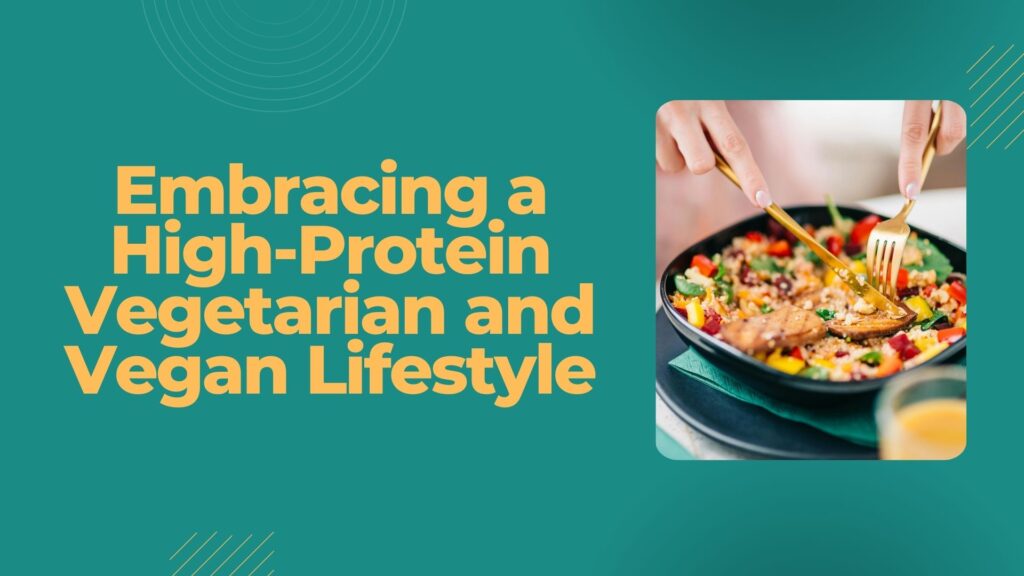
Conclusion: Embracing a High-Protein Vegetarian and Vegan Lifestyle
Summarizing Key Points
In summary, a vegetarian or vegan diet can easily provide sufficient protein through strategic food choices. Prioritizing high-protein plant-based foods like legumes, nuts, seeds, and whole grains ensures you meet your protein needs. By understanding the importance of complete protein and plant protein combining, you can achieve your protein goals and maintain optimal health while enjoying a diverse and sustainable diet. Remember to consider protein intake and look for a good source of protein from every meal.
Resources for Further Learning
To deepen your understanding of vegetarian and vegan nutrition, explore reputable resources such as the Academy of Nutrition and Dietetics and the Vegetarian Resource Group. The organizations offer evidence-based information together with recipes and dietary guidance to develop balanced plant-based diets. You can find many books and websites which offer practical advice and meal planning resources to help you achieve your protein goals. The combination of knowledge and education functions as the fundamental requirement for sustaining a healthy high-protein vegetarian diet and a high-protein vegan diet.
FAQs
Can I bodybuild on cheap protein food only?
Yes, you can absolutely bodybuild on cheap protein foods. Focus on affordable plant protein sources like lentils, beans, and tofu. These are excellent sources of protein and can be combined with other budget-friendly options like rice and oats. Proper meal planning and consistency are key. Just remember to calculate the grams per meal to ensure you achieve your protein goals.
Looking to power your fitness goals with the best vegetarian protein sources?
To fuel your fitness journey with the best protein sources, prioritize high-protein vegetarian foods like quinoa, Greek yogurt, and eggs (if you’re vegetarian), as well as plant-based protein sources such as tempeh and edamame. These foods are rich in protein and provide essential amino acids necessary for muscle repair and growth. A high-protein diet can help you achieve your fitness ambitions.
What is Vegan Protein?
Vegan protein is the protein obtained purely out of vegetarian sources. It is composed of legumes (beans, lentils, peas), nuts, seeds, tofu, tempeh, seitan and some grains such as quinoa. These vegetarian foods contain the required amino acids to build the body muscles and even health without animal products. Most of the vegan sources of protein are also good in protein, fibers, among other vital nutrients.
What are the Indian vegetarian foods rich in protein?
Most of the Indian vegetarian food is protein rich. Lentils (dal) are a traditional food and they are a good source of protein. Even things such as chole (made of chickpeas or chana), and paneer (Indian cheese) would be good. The combination with rice or roti makes them complete protein profile. These additions to your vegetarian diet can assist you in achieving your protein intake requirements based on the vegetarian and vegan Indian meals.