With the approaching winter, the colder weather and shorter days, our energy is waning away in most of us. It is a period when exercise tends to diminish and the urge to stay at home and hibernate is on the increase. But this is exactly where the use of yoga in winter in your routine can present miraculous results.
The article discusses the ways in which yoga can make you flourish throughout the winter season, increase immunity, improve mood, and become more well in the winter.
The Knowledge of Yoga in Winter
What is Winter Yoga?
Winter yoga is merely a process of modifying your yoga routines to fit winter season. It includes the choice of yoga postures that produce heat, enhance circulation, and strengthen immunity, which can help to fight most winter diseases.
This could be more active based fitness measures such as sun salutations to get the blood pumping or breathing exercises such as kapalabhati to energize the nervous system. Winter yoga is also aware of the need to have restorative poses to ease your mind and relieve stress during this season that may be a challenge.
The Reason Yoga Should Be Practiced in the Winter Season
Working with yoga in the winter months is associated with numerous benefits on body and mind. The winter air tends to make the body stiff and lower the circulation rate and hence yoga can be used to enhance the circulation of blood in the body, reducing the amount of pain in the joints and making the body more flexible.
Yoga can even fight lethargy and winter blues, which will increase the level of energy and improve your general physical and psychological condition, when done regularly in colder months. Yoga has more than physical fitness as an advantage.
How Cold Affects Our Bodies
The cold weather has a very strong influence on our physical bodies and usually causes the process of vasoconstriction where the blood vessels shrink, and thus less blood flow and circulation take place. This may worsen the symptoms of joint pain and stiffness in some people.
The respiratory system is impacted as a consequence, too, making it hard to breathe – especially if you have asthma or other respiratory problems. Plus, the absence of sunlight in the winter can interfere with our internal body clock making us feel more tired and sometimes even triggering seasonal affective disorder.
So, in this situation, more than ever, a regular yoga practice is needed.
Benefits of Yoga in Winter
Boosting Immunity Through Yoga
One of the key benefits of yoga in winter is its ability to boost immunity. Certain yoga poses to stay healthy strengthen the immune system by stimulating the lymphatic system, which plays a crucial role in fighting off infections.
Pranayama, or breathing techniques, like kapalabhati, can also help clear the respiratory passages, reducing the risk of flu and other common winter ailments. Practising yoga during winter encourages a holistic approach to wellness, strengthening the body’s natural defenses against illness.
Enhancing Blood Cholesterol and Thermoregulation
The winter seasons are colder and therefore the movement is low and it becomes more difficult to keep warm. Yoga has the potential to enhance blood flow, making it vasodilated and thus making sure that blood circulates in all the body parts.
Dynamic poses such as sun salutations and such poses as chair pose help in keeping warm, both internally and externally. This enhanced circulation will not only make you feel physically warmer but will help in delivering the necessary nutrients and oxygen to your cells making you feel healthier and more energetic.
Improving Mental Health and Reducing Stress
The winter also tends to be accompanied by the deterioration of mental health and most individuals gets the winter blues or even seasonal affective disorder. Yoga may alleviate stress and improve mental health because relaxation and nervous system dispelling.
Treatment and mindful breathing exercises can reduce anxiety and enhance mood and will allow you to face the problems of the winter months a bit more easily. Some yoga exercises can be quite an effective means of keeping the moods balanced and in good spirits in general in this season.
Yoga Poses for Winter Wellness
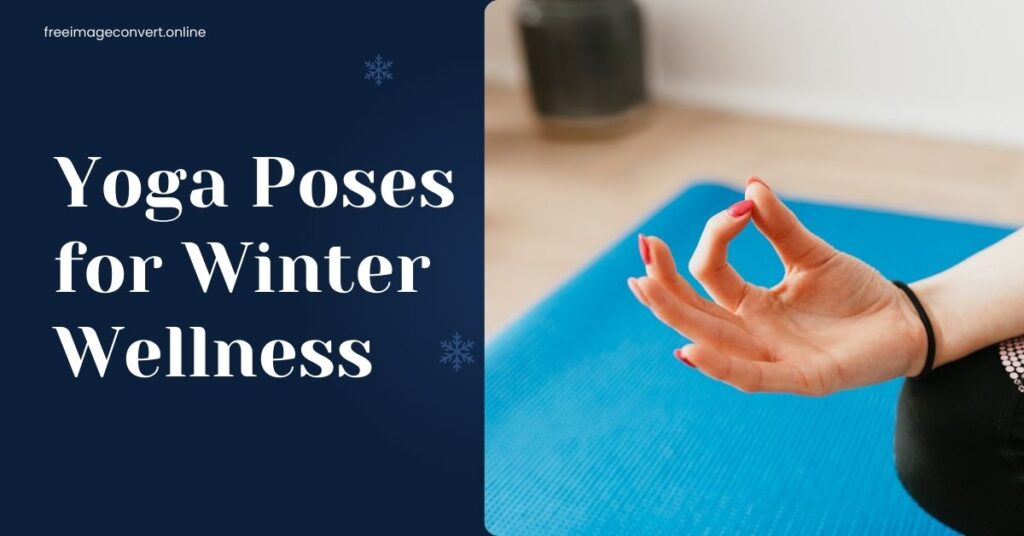
Best Yoga Poses to Keep You Warm During the Winter
During the winter, if you do the right yoga poses, the practice can become more like a delightful warming up exercise. Besides, yoga in the cold months can increase your body’s internal thermostat enormously.
There are a few asanas that are particularly powerful in this regard, such as: Sun Salutation, a flowing sequence that not only enhances blood flow but also lights up your entire body by warming up your inner and outer parts. Chair Pose, an excellent alternative, which by working on the major muscle groups helps to increase your metabolic rate.
The combination of these yoga poses to remain snug with your regular yoga practice can help you to win the winter season’s chill, thus, bringing winter wellness to you.
Winter Yoga Poses for Improved Lung Function
The colder winter season can often challenge our respiratory system, making it essential to take proactive steps. Winter yoga poses like backbends, such as cobra and bridge pose, help to expand the chest cavity, promoting deeper and more efficient breathing.
Pranayama or breathing techniques such as bhastrika or kapalabhati can further enhance lung capacity and clear congestion. Incorporating these yoga benefits will strengthen your lungs, making you more resilient against common winter ailments like the flu, and improve circulation.
Yoga Poses to Increase Energy Levels
The main emphasis in winter is fighting off lethargy and keeping the energy levels to an optimum level. One way through which yoga can be used to fight this seasonal depression is by doing invigorating yoga postures.
Forward bends like standing forward bend (Uttanasana) and downward-facing dog (Adho Mukha Svanas) enhance the blood flow in the brain making it alert and eliminating fatigue.
Asana that twists, like seated spinal twist (Ardha Matsyendrasana) or reclined twist (Supta Matsyendrasana), increases digestion and nervous system, and increases energy. Vitality is improved by deliberately practicing yoga.
Yoga to Include in Your Weight Management
The Influence of Yoga on Losing Weight in Winter
The tendency to eat comfortably during the winter months and a lack of exercise can sometimes have an effect on weight management objectives. Nevertheless, yoga during winter may become the strong ally of a healthy body and mind.
Some forms of yoga classes, including vinyasa or power yoga, cause heat and calories burning, whereas mindful movements classes, as restorative poses, decrease food eating stress. Yoga makes you more mindful of your body indicators, which promotes healthy eating. Therefore, yoga has fantastic physical good things.
Regular Yoga Practice as a Tool for Healthy Living
Regular yoga practice is not only a way to keep your body fit but also a holistic method for promoting a healthy lifestyle, especially during the winter season.
The winter season has several good reasons for doing yoga, namely, it enhances immunity, promotes better blood circulation and helps one relax, all of which lead to good health in general.
Daily yoga practice helps build greater consciousness of one’s self, creating conditions for healthier diets, sleep and lifestyle choices. In that sense, placing a strong emphasis on yoga during winter means the same as making an investment in your health and vitality that will last for a long time. This practice will make it less difficult to endure the cold months.
Incorporating Yoga into Your Winter Routine
It is more than just a thought that making yoga an obligatory part of your winter months routine is easier than you think. First, begin with the setting of realistic goals. It can be nothing more than just 15-20 minutes of yoga poses each morning or evening.
Next, you need to create a specific area for your yoga practice, it can be a corner of your living room or a tranquil bedroom. Also, buy a good quality yoga mat and try out different online classes and resources to find yoga styles and teachers that suit you. Winter time yoga can become a routine with a bit of planning and effort.
Addressing Seasonal Affective Disorder with Yoga
Understanding Seasonal Affective Disorder (SAD)
Seasonal affective disorder (SAD) is a type of depression that’s related to changes in seasons, beginning and ending at about the same times each year.
The lack of sunlight during the winter season can disrupt your body’s internal clock, leading to feelings of lethargy, sadness, and a general loss of interest in activities you once enjoyed. SAD can significantly impact your physical and mental well-being.
Understanding SAD is the first step in finding effective strategies to manage its symptoms and thrive during the colder months. Pranayama will improve blood circulation, strengthen your lungs, and calm your mind.
The practices of yoga can prove to be beneficial in the case of SAD symptom relief as they involve a mix of physical postures, breathing techniques, and mindfulness.
Among the yoga postures are backbends and inversions which are credited with improving blood flow and lifting one’s spirits. Pranayama or breath control, often referred to as bhastrika (bellows breath) can energize the system and hence, elevate the energy levels.
Besides, mindful movement and softening techniques are very effective in the reduction of stress and creation of one’s peace of mind. It is no longer possible to avoid winter blues if you do not include these asana in your winter yoga practice.
One should also consider the hot yoga which involves making a Sun salutation as it can help a person generate heat and feel warmer.
Creating a Nurturing Winter Yoga Society

Developing a positive community might become priceless in treating seasonal affective disorder in the winter months. Attending a group or an online yoga session brings in the feeling of connection and experience.
Yoga with others may increase your motivation and accountability and thus you will most probably continue with your yoga sessions even when you are in low mood.
Being able to share your experiences and problems with other people who see you will also improve your emotional well-being and lessen stress. You can find out together all the advantages of yoga in winter. One of the poses to keep in yoga is shoulder stand.
Conclusion
Summary of Yoga Pains Alleviated in Winter
To sum up, yoga during winter has numerous yoga advantages to your body and mind. It is able to enhance the circulation, strengthen the immunity, raise the energy level, and boost the relaxation process to allow you to flourish throughout the colder months.
The practice of yoga throughout the winter season can also help in relieving the symptoms of seasonal affective disorder which gives a person a feeling of well being and strength.
With the help of yoga in your schedule, you will be able to move through the winter years more easily and healthily. Some yoga and winter yoga will work miracles.
Resources for Further Learning
To deepen your understanding of yoga for winter and seasonal affective disorder, explore reputable resources such as yoga journals, wellness websites, and mental health organizations.
Consult with qualified yoga instructors or therapists for personalized guidance and support. Additionally, consider exploring books, articles, and online courses that delve into the specific benefits of yoga during winter and techniques for managing SAD.
With the yoga mat, the winter air won’t hurt your knees. Take advantage of the incredible benefits of yoga.
FAQs about Yoga in Winter
Yoga in Winter? Yes!
You can do yoga in winter—it’s safe and good for you. It keeps you warm, boosts blood flow, and builds immunity against cold. Change poses if needed, and listen to your body.
For Kids:
Fun winter poses: Cat-Cow (stretch like animals), Downward Dog, Tree Pose. Add games or stories to make it exciting. Helps kids stay flexible, calm, and healthy.
Best Yoga Styles for Winter:
- Vinyasa: Makes heat and good circulation.
- Hatha: Basic poses to build strength.
- Restorative: Relaxes mind and cuts stress.
Try different ones, practice regular at home or class. Boosts health and happiness!